
What Does a Strip Out Mean in Demolition?
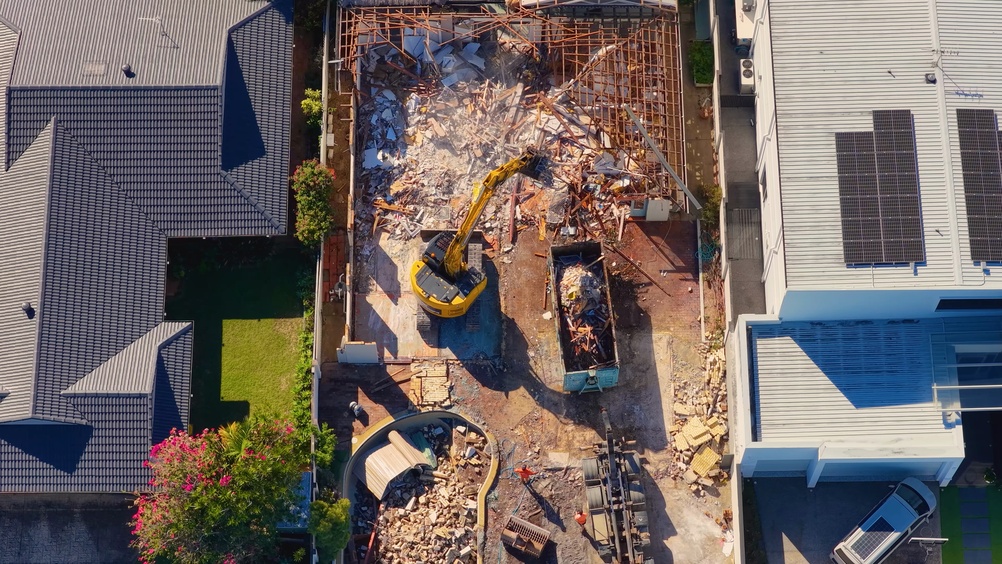
A professional strip out is often part of any renovation or refit, giving you a clean, safe interior ready for the next stage. Many homeowners, property managers, and construction teams get stuck on what a strip out actually means, what it includes, and whether it is the right step before demolition or renovation.
This article explains the strip out meaning in plain terms, shows how it differs from full demolition, and breaks down what is included in residential and commercial strip outs.
With a walkthrough of the process and answers to common questions about waste removal, asbestos, approvals, and timing, continue reading to understand exactly what a strip out does and how it can save you time, cost, and stress on your next project.
What does strip out mean?
A strip-out typically involves removing certain non-structural elements within a building. It clears the space back to its shell, ready for renovation, fit-out, or further works.
A strip out usually removes internal finishes, fittings, and services, while keeping the building structure in place.
What can be removed during a strip out?
- Internal walls and partitions.
- Ceilings and flooring.
- Fixtures, fittings, and joinery.
- Bathroom and kitchen elements.
- Selected services, where required.
| Scope | Strip out | Demolition |
|---|---|---|
| Main purpose | Remove internal non-structural items | Remove part or all of a structure |
| Structure | Kept in place | Removed or heavily altered |
| Typical use | Renovations, fit-outs, make-goods | Rebuilds, redevelopment, site clearing |
| Result | Empty shell ready for next stage | Cleared site or partially removed structure |
When is a strip out the better option?
A strip out is the better option when the building is staying but the interior needs to change.
It is used when:
- A home is being renovated.
- A shop needs a new fit-out.
- An office is being refurbished.
- A tenancy must be returned to its original state.
What types of strip outs are there?
The type of strip out depends on the property and the project.
The most common types are:
- Residential strip outs.
- Commercial strip outs.
- Office strip outs.
- Retail strip outs.
- End-of-lease make-good strip outs.
Each type has a different level of removal, but the goal is the same, to clear the internal space safely and efficiently.
Residential strip outs
Residential strip outs are used in houses, units, and other homes before renovation work begins.
They often involve:
- Kitchens.
- Bathrooms.
- Internal flooring.
- Built-in cupboards.
- Non-load-bearing walls.
These strip outs help prepare the property for upgrades, extensions, or major internal changes.
Commercial strip outs
Commercial strip outs are common in offices, shops, cafes, warehouses, and other business spaces.
They may include:
- Shopfront interiors.
- Partition walls.
- Suspended ceilings.
- Office furniture and fixtures.
- Mechanical and electrical items, where agreed.
Businesses often conduct strip outs before a refit, relocation, lease handback, or building upgrade.
What is included in a strip out service?
A strip out service usually involves removing internal materials and fixtures, along with waste sorting and site cleanup.
What is included can vary by project, but often covers:
- Internal linings and wall finishes.
- Ceilings and floor coverings.
- Cabinets, joinery, and shelves.
- Bathroom and kitchen fixtures.
- Lighting, wiring, and plumbing items, if specified.
- Waste collection and disposal.
What happens during a strip out?
A strip out has a standard process.
Process steps include:
- A site inspection to understand the building and the scope.
- If necessary, the removal of hazardous materials like asbestos.
- Utilities and services are isolated so the work can begin safely.
- Internal fixtures and finishes are removed in sequence.
- Waste is separated for disposal and, where possible, recycling.
- The site is cleaned and prepared for the next trade.
What are the benefits of a professional strip out?
A professional strip out helps make the follow-on stage easier, safer, and more predictable.
Key benefits include:
- Proper planning and safer work practices.
- Faster preparation for builders and fit-out teams.
- Better waste management and disposal.
- Less risk of damage to the remaining structure.
- A cleaner, more organised site.
What questions are often asked about strip outs?
What is the difference between a strip out and a fit-out?
A strip out removes internal items, while a fit-out adds new internal finishes and fixtures. They are often two sides of the same project.
Do I need approval before a strip out?
Some projects do require approval, especially for commercial properties or when structural, service, or hazardous material issues are involved.
TIP: A local, experienced demolition contractor will know what permits and approvals are needed.
Can asbestos be found during strip outs?
Yes, older buildings may contain asbestos in walls, ceilings, flooring, or insulation. If there is any risk, it must be checked and handled by qualified professionals.
Is waste removed as part of the service?
Yes. Strip out services should include waste removal, sorting, and disposal, leaving the site ready for the next phase.
How do you choose the right strip out contractor?
- Clear written scope of works.
- Experience with residential and commercial sites.
- Safe removal and waste handling.
- Good communication before and during the job.
- Local knowledge of the area and conditions.
A careful contractor will explain what is included, what is excluded, and how the job will be carried out.
Need a strip out done properly?
At Tamworth City Demolition, we offer an interior strip out service across Tamworth and the surrounding region. We are the trusted professionals for the region, with a focus on safe, efficient projects to prepare your site for the next stage.
If you need a residential, commercial, or fit-out strip out, we can help you plan it clearly and carry it out with care. Contact us today to ask about our strip out services, discuss your project, and arrange a quote.
