
Heal Your Site: Contaminated Soil Remediation NSW
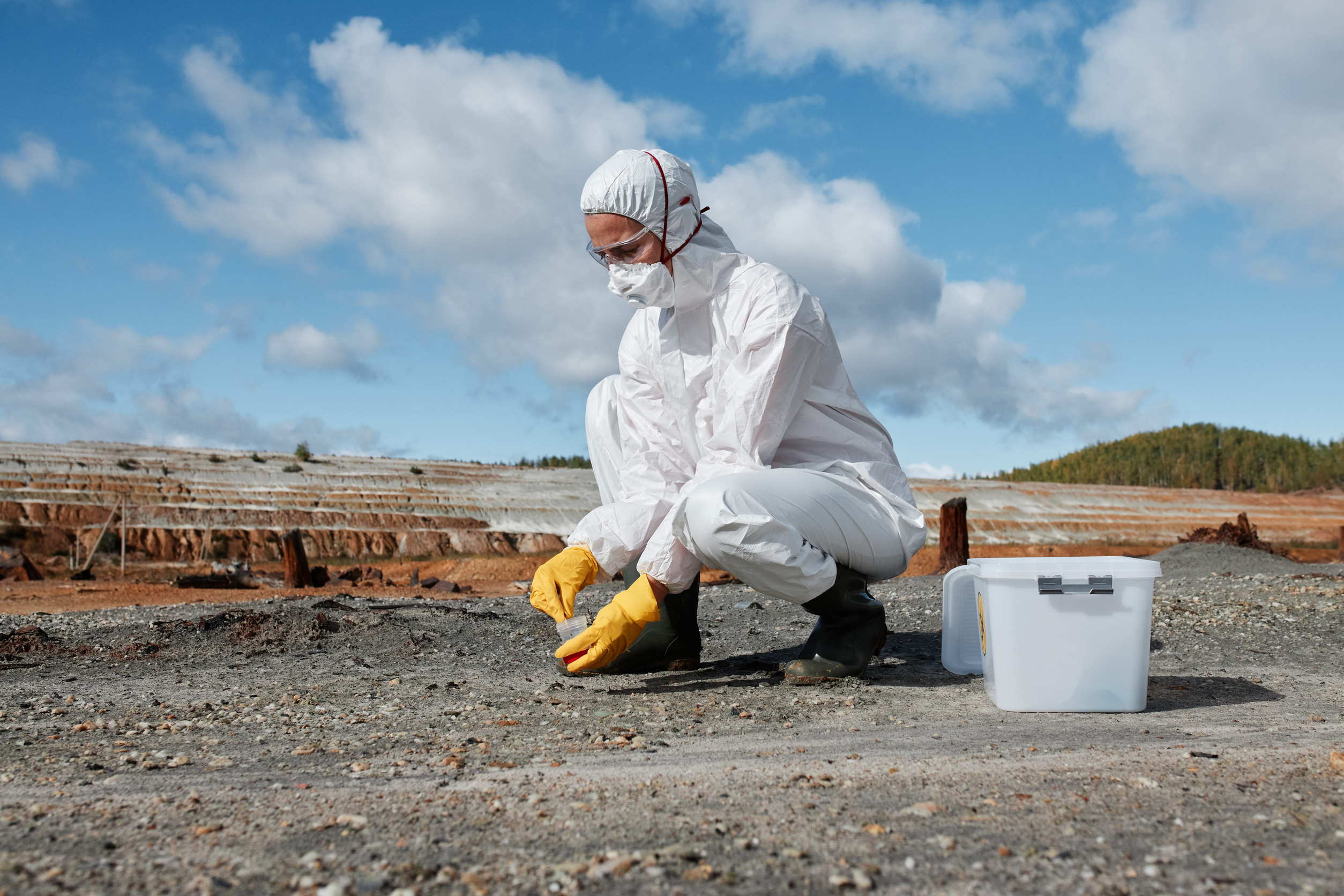
If your land is contaminated, find out how professional site remediation Armidale can restore it to a safe, usable condition.
This guide explains the types of soil contamination and common approaches for contaminated soil remediation NSW.
Read on to understand how you can heal contaminated soil and avoid costly mistakes.
What is contaminated soil, and why does it matter?
Contaminated soil is soil polluted with harmful substances that can affect human health, the environment, and land value. It matters because contamination can restrict development, trigger regulatory action, and pose long‑term liability if not managed correctly.
Common sources may include previous land use, such as fuel storage, pesticide use, industrial activity, and illegal dumping.
Health risks range from groundwater pollution to exposure during construction or gardening.
What are the different types of site contamination?
Site contamination is classified by the type of pollutant and the risk it presents. Correct classification drives the remediation method, disposal pathway, and regulatory requirements.
Organic
- Hydrocarbons from petroleum, diesel, oils, and solvents from former service stations or workshops.
- Pesticides and herbicides used in agriculture or residential settings.
- Polycyclic aromatic hydrocarbons (PAHs) from combustion or creosote.
Inorganic
- Heavy metals like lead and chromium from past industrial use or old paint.
- Soils that can generate sulfuric acid when exposed to air affect waterways and infrastructure.
Other materials
- Asbestos-containing materials (ACM) in soil from past demolition or fill.
- Chemical wastes, paints, and industrial residues.
How do you handle the different types of contaminated soil?
The right handling method depends on contaminant type, concentration, site constraints, and intended land use. Most projects follow a hierarchy: treat on-site where possible, then off‑site treatment, then removal to licensed facilities.
On‑site options
- Bioremediation
Microbes are used to break down hydrocarbons and certain organic compounds. - Chemical oxidation or neutralisation
The addition of reagents to destroy or stabilise contaminants.
Off‑site and containment
- Excavation and transport to a licensed remediation facility for thermal or biological treatment.
- Encapsulation: isolating contaminated soil within physical barriers when removal is not feasible.
Asbestos in soil
- Extremely hazardous to health. The soil must be contained, wetted to suppress dust, and waste taken to licensed landfill cells.
- Requires specific handling, documentation, and air monitoring to protect workers and neighbours.
What is the process for site remediation?
A site remediation project follows a structured process to ensure safety, compliance, and cost‑effective outcomes.
- Site assessment and sampling
A qualified environmental consultant collects soil and groundwater samples to identify contaminants and concentrations. - Risk review
Laboratory testing of the soil samples determines risk levels and the appropriate remediation pathway. - Remediation plan and approvals
A method statement is prepared that includes health and safety controls, traffic management, and regulatory notifications. - Remediation
The most appropriate treatment is conducted by your licensed operators. - Validation and reporting
Post‑remediation sampling confirms that the clean‑up was completed successfully. A validation report is issued to support future site development or sale.
How much does contaminated soil remediation cost in NSW?
Site remediation costs vary depending on the contaminant type and volume, site access issues, and the distance to disposal.
Small residential sites with hydrocarbon contamination may be managed with targeted excavation and off‑site treatment.
Larger or complex sites with multiple contaminants, asbestos, or groundwater issues require more extensive work and monitoring.
FAQs
What is soil remediation?
Soil remediation is the process of treating or removing contaminants from soil to make it safe for its intended use.
Can contaminated soil be treated on-site?
Yes, many contaminants can be treated on site using bioremediation, chemical oxidation, or stabilisation, depending on the risk profile.
Does all contaminated soil need to go to landfill?
No. Soil can sometimes be cleaned and then reused as fill; in other cases, it must be taken to licensed landfill cells.
How long does site remediation take?
Project timescales vary from just a few days for small excavations to several weeks for large, more complex projects.
Do I need council or EPA approval?
Notification or approval requirements depend on contamination levels, location, and proposed works. A qualified consultant will advise.
How can we help you restore your site
At Tamworth City Demolition, we are a trusted team servicing Tamworth and the surrounding areas.
We offer effective and safety‑driven site remediation and demolition services with clear pricing and respectful, neighbourly communication.
If you need help with contaminated soil remediation NSW, contact us today for a practical assessment and a no‑nonsense plan to heal your land.
