
Pool Removal Tamworth: Reclaim Your Outdoor Space
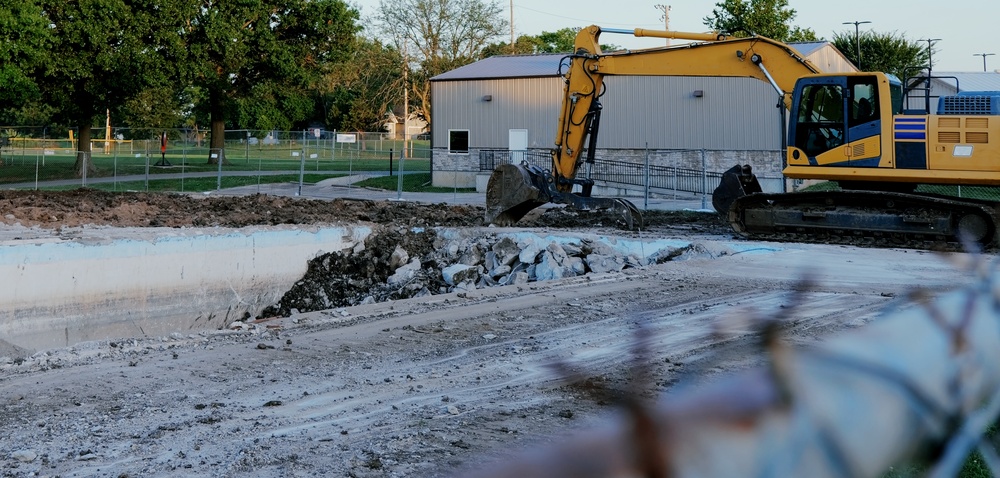
That swimming pool seemed like a great idea at the time. But pools come with ongoing costs, safety obligations, and a fair amount of upkeep, and plenty of homeowners and property managers across Tamworth, Armidale, Inverell, Narrabri, Moree, Glen Innes, and Tenterfield are now asking the same question: is it time for pool removal Tamworth?
For many property owners, the answer is increasingly yes, it absolutely makes sense. Here is everything you need to know about pool removal in the New England and North West NSW region.
Why Are Homeowners Removing Their Swimming Pools?
Pool removal is on the rise across regional NSW. The reasons are practical, financial, and in many cases, straightforward.
Is Your Pool Costing More Than It’s Worth?
Owning a swimming pool is not cheap:
- The cost of chemicals and water testing is an ongoing expense
- Home insurance premiums may be higher for properties with pools
- Local council compliance, including fence regulations, adds to the burden
- Unused pools can become a liability, especially for young children or renters
- A deteriorating or cracked pool can lower a property’s market value
If your pool sits unused for most of the year and still requires constant attention and ongoing costs, removing it is the most sensible financial decision.
What Can You Do With the Space Once the Pool Is Gone?
This is where it gets interesting. After swimming pool demolition NSW, you are left with a clean, level area that can be transformed into almost anything.
- A garden with native plants, or raised garden beds
- Outdoor entertaining for family and friends, with decking and an alfresco dining space
- A grassed play area for children or pets
- A courtyard with paving
- A carport, garden shed, or workshop
- Additional parking for a second vehicle, boat, or caravan
What Does Pool Removal Actually Involve?
Pool removal is a professional demolition and excavation process. It is not a DIY project. A licensed contractor uses specialised equipment to break down the pool structure, remove all materials, and restore the ground to a usable condition.
What Are the Steps in a Pool Removal?
The full removal process involves several distinct stages:
- Site assessment and approval: The contractor assesses the pool type, site access, and any surrounding structures. Council approval (where required) must be obtained before work commences.
- Disconnection of services: All plumbing, pipework, electrical cabling, and filtration equipment are disconnected and removed.
- Demolition of the pool shell: The pool shell (concrete, fibreglass, or tiled) is broken up using excavation equipment.
- Removal of all debris: All broken materials, fittings, and waste are removed from the site. Demolition waste cannot be used as fill material.
- Backfilling: The excavation is filled with certified clean fill or Excavated Natural Material (ENM), compacted in layers to prevent future subsidence.
- Site restoration: The surface is graded and prepared, ready for landscaping, paving, or construction.
Pool removal is a complete process. The entire structure, including all associated plumbing, cabling, and equipment, must be removed from the site.
What Happens to the Pool Structure and Debris?
All materials are removed and managed responsibly:
- Concrete and masonry are typically recycled as crushed aggregate
- Metal fittings, pipes, and cabling are separated for recycling
- Fibreglass is taken to licensed waste facilities
- No remnants or demolition waste are left in the ground
Responsible waste management is a legal requirement under NSW regulations.
Do You Need Council Approval to Remove a Pool in NSW?
Yes, in most cases you do. NSW regulations are clear on this point, and understanding the requirements before work begins is important.
What Approvals Are Required?
Most in-ground pool removals require one of the following:
- A Complying Development Certificate (CDC), issued by a private certifier, OR
- A Development Application (DA), lodged with and approved by your local council
Work must not commence until the relevant approval is in place. A reputable demolition contractor will guide you through this process or manage it on your behalf.
Only portable pools that meet all exempt development criteria under the Code SEPP may be removed without prior approval.
How Do You Remove a Pool From the NSW Swimming Pool Register?
When you remove a swimming pool in New England, NSW, you are legally required to have it removed from the NSW Swimming Pools Register.
To do this, contact your local council’s Development Assessment Team and provide:
- Your name as the property owner and a contact phone number
- The property address
- The CDC or DA approval number (where approval was required)
- Proof of removal, such as photographs, where no prior approval was required
Your local councils across the New England and North West region, including Tamworth Regional Council and Armidale Regional Council, can assist with this process.
How Much Does Pool Removal Cost in Tamworth and the New England Region?
Pool removal costs vary depending on the pool’s size, type, and condition, as well as site access and the extent of required site restoration.
Pool removal in Tamworth and surrounds ranges from around $5,000 to $15,000, depending on complexity. Above-ground pools often cost less to remove.
What Factors Affect the Cost?
- Pool type:
- Concrete, fibreglass, and tiled pools have different demolition requirements
- Pool size:
- Larger pools require more machinery and labour
- Site access:
- Access problems for machinery and trucks can increase time and equipment costs
- Distance from other structures:
- Pools close to the house or boundary fencing require more careful demolition
- Council fees:
- Application and certification costs vary by local government area
Always request a site-specific written quote before committing to any contractor.
What Can You Build or Create After Pool Removal?
Once the site is restored and compacted, the reclaimed space is yours to use however suits your lifestyle or property goals.
Popular Outdoor Space Ideas After Pool Removal
The area left after pool removal is typically flat, open, and easy to work with. Here are some of the most popular options for homeowners and property managers in regional NSW:
- Outdoor entertaining area: A paved or decked alfresco space with a pergola or outdoor kitchen is ideal for the warm Tamworth and New England climate
- Lawn and garden: Replant with lawn, native gardens, or kitchen garden beds to add greenery and kerb appeal
- Play area: A dedicated space for children to play freely and safely, without the hazards of an open water body
- Carport or garage: Additional covered parking for vehicles, caravans, or farm equipment is especially useful in regional areas
- Garden studio or workshop: A purpose-built structure on the newly available footprint
- Low-maintenance hardscape: Gravel, pavers, or concrete for a tidy, easy-care outdoor area
Removing an unused pool can significantly increase the usable footprint of your property, particularly on suburban blocks where outdoor space is limited. In many cases, it can also increase the property’s resale value by removing a perceived maintenance burden for potential buyers.
Frequently Asked Questions About Pool Removal in NSW
Can I partially remove my pool and fill it in?
No. Under NSW regulations, pool removal requires the complete removal of the pool structure and all associated materials. No remnants of the pool shell may be left in the ground.
How long does pool removal take?
Most residential pool removals are completed in one to three days, depending on pool size, site access, and the extent of site restoration required.
Can I use the old pool material as fill?
No. Only certified clean fill material or certified Excavated Natural Material (ENM) may be used to fill the pool excavation. Demolition waste cannot be used as fill.
Does removing a pool add value to my property?
In most cases, yes. Removing an old or deteriorating pool can increase property value by removing the maintenance liability and making the space more appealing to a broader range of buyers.
Do I need a licensed contractor for pool removal in NSW?
Yes. Pool removal involves demolition, excavation, and the disposal of construction materials, all of which require a licensed contractor and, in most cases, council approval.
What types of pools can be removed?
In-ground concrete, fibreglass, and tiled pools can all be fully removed. Above-ground pools are also removed as part of a full site clean-up.
Ready to Remove Your Pool in Tamworth or the New England Region?
At Tamworth City Demolition, we are the trusted provider of pool removal services across Tamworth and New England. We manage the entire process, from obtaining the necessary approvals through to demolition, waste removal, backfilling, and site restoration.
We are locally owned and operated, and we know the requirements of councils across the New England and North West NSW region. Every job is completed safely, cleanly, and to a high standard, with clear communication throughout.
If you are ready to reclaim your outdoor space, we would love to help.
Contact us today for a free, no-obligation quote on pool removal.
